3D printing
Not sure which material you need?
Answer three quick questions about your part and we will suggest the material that suits it. It takes less than a minute, and there is no jargon.
Loading the questions…
3D printing
Loading the questions…
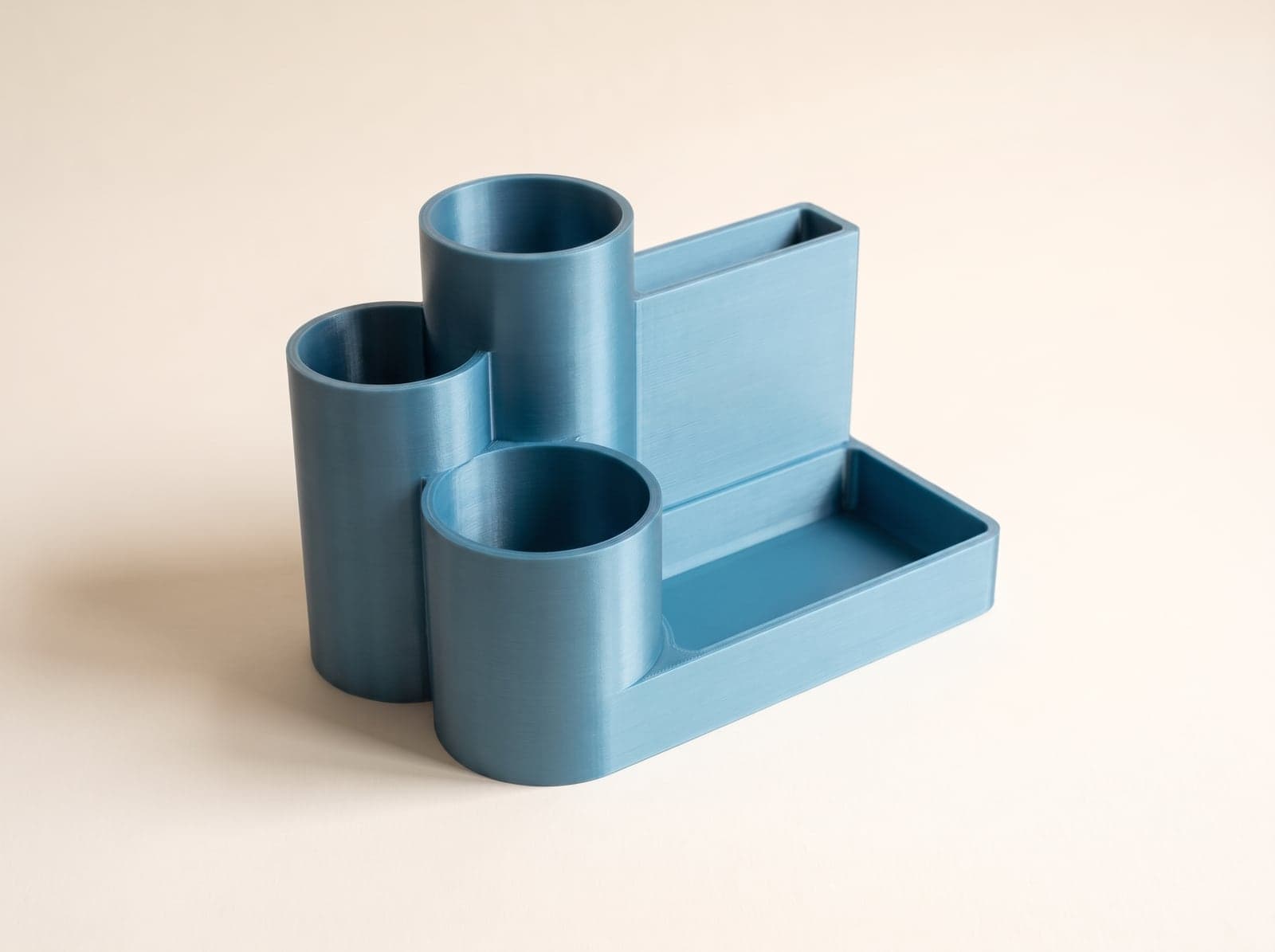
Best for: Everyday parts, prototypes and models that stay indoors.
Crisp detail, the widest choice of colours and the lowest price. It softens above about 55 °C, so it is not for a hot car, a dishwasher or a sunny windowsill.
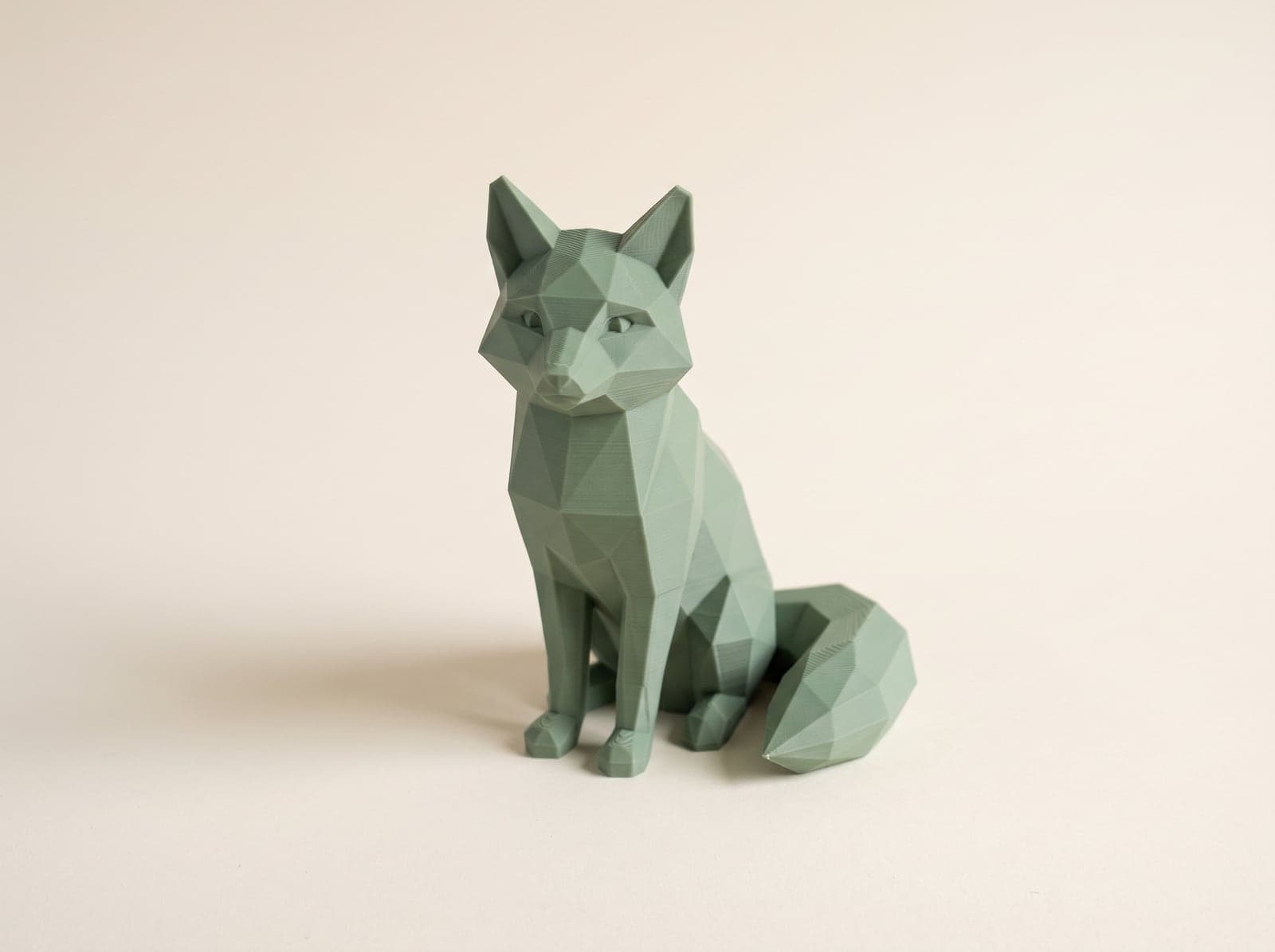
Best for: Display pieces, gifts and props where looks come first.
A soft, non-shiny surface that hides the layer lines. It is a little more brittle than standard PLA and also softens above about 55 °C, so keep it indoors and away from heat.
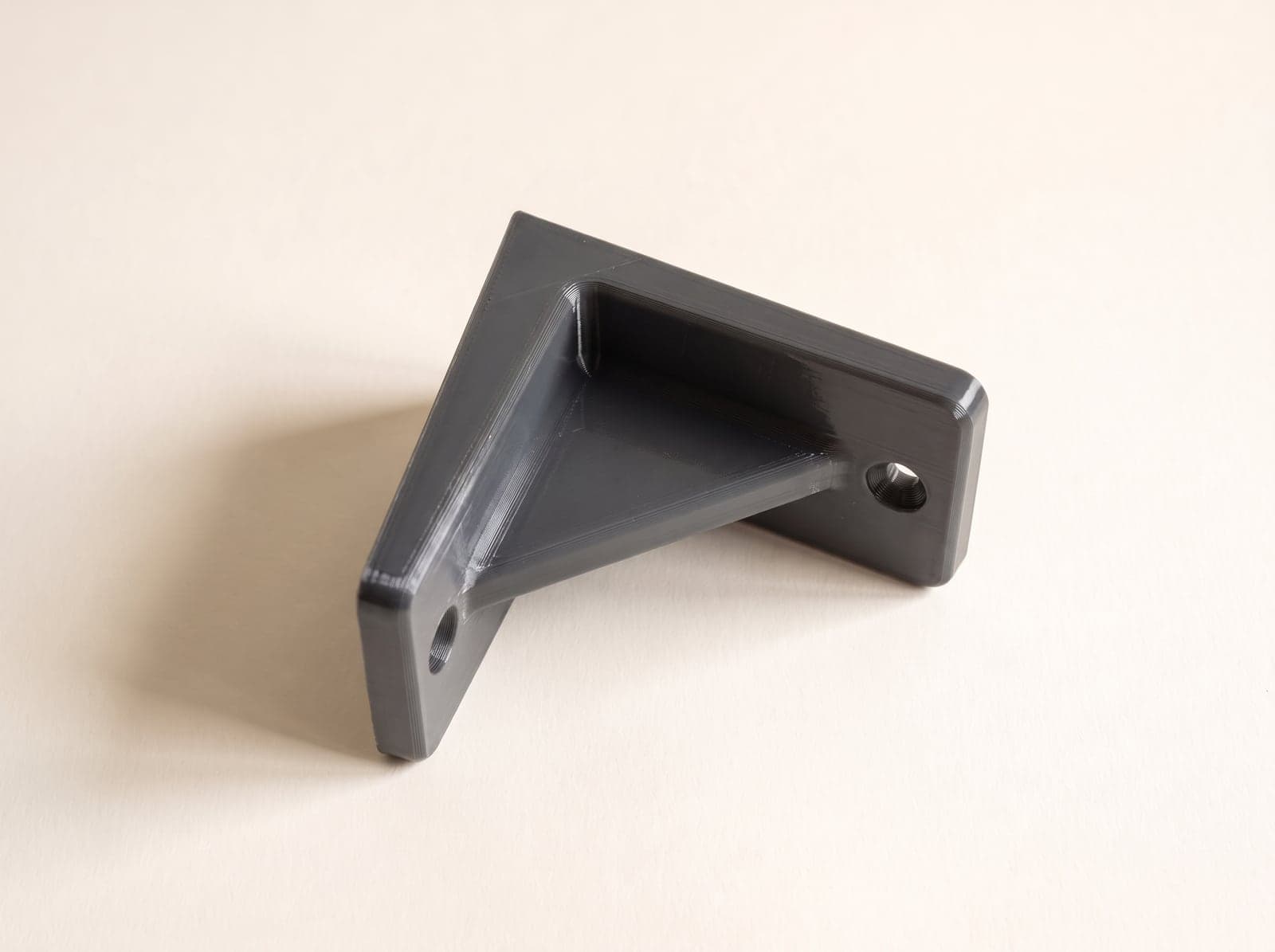
Best for: Tough working parts, brackets and anything that gets wet.
Tougher and less brittle than PLA, and fine with water and everyday outdoor use. It softens at about 65 °C, so choose ABS or ASA for a hot car or for years in full sun.
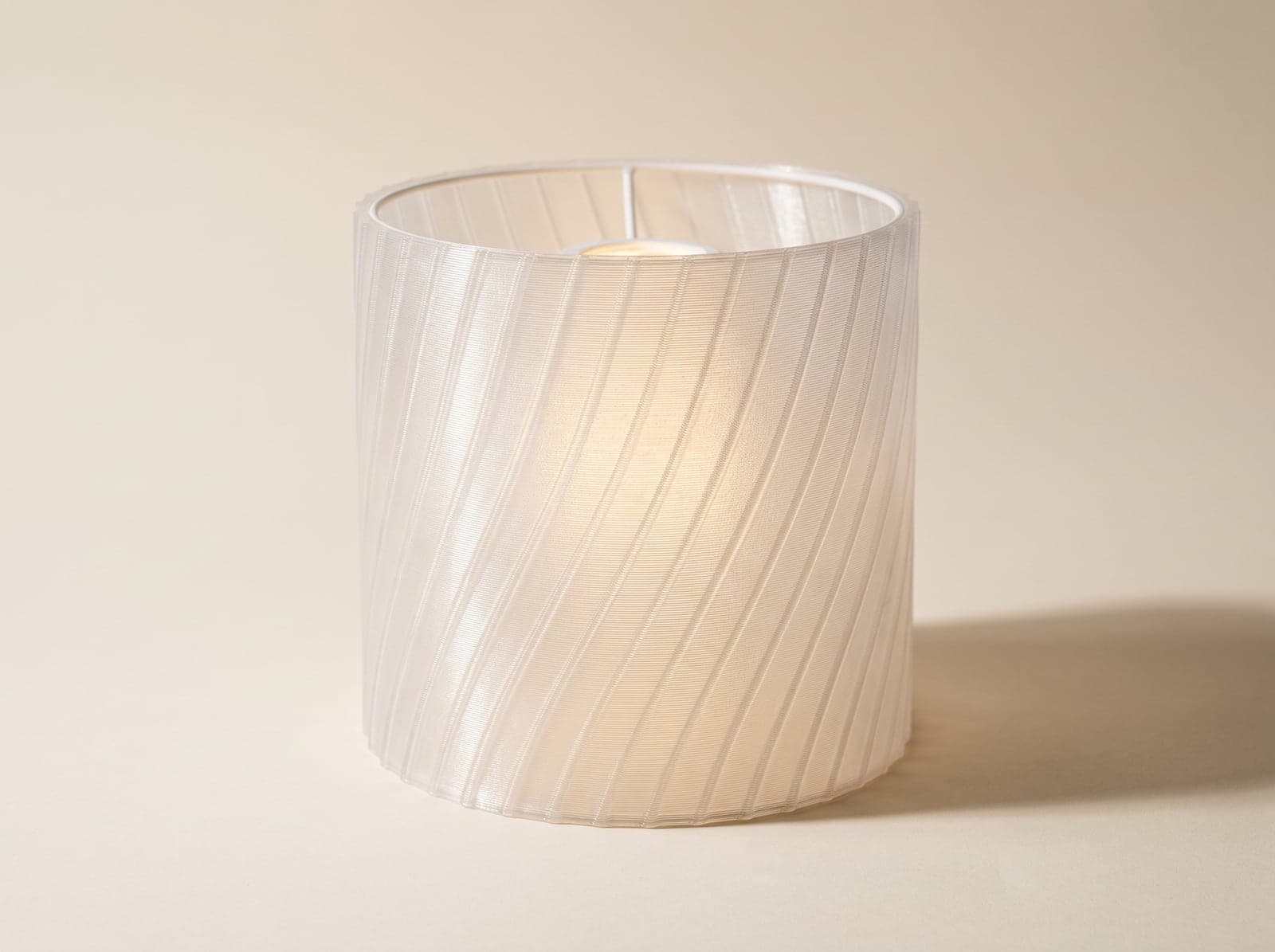
Best for: See-through covers, lamp shades and light-up signs.
Lets light through, but the printed layers make it look frosted rather than clear like glass. It prints slowly, so it costs more than standard PETG.
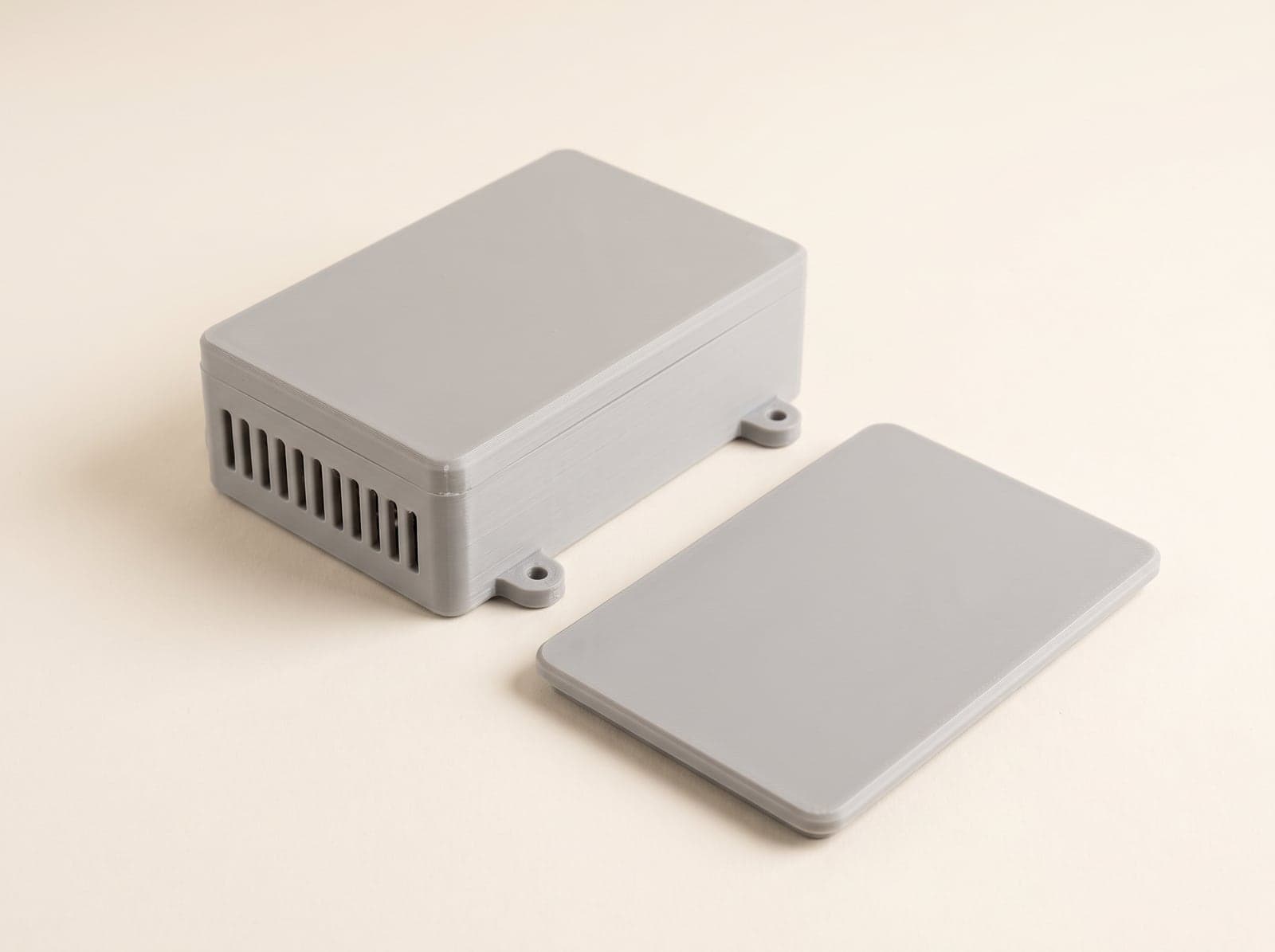
Best for: Housings and brackets near warm machinery or inside a car.
Keeps its shape up to about 85 °C and is easy to sand, drill and glue. Large flat parts can warp a little and it fades in strong sun, so choose ASA for outdoors.
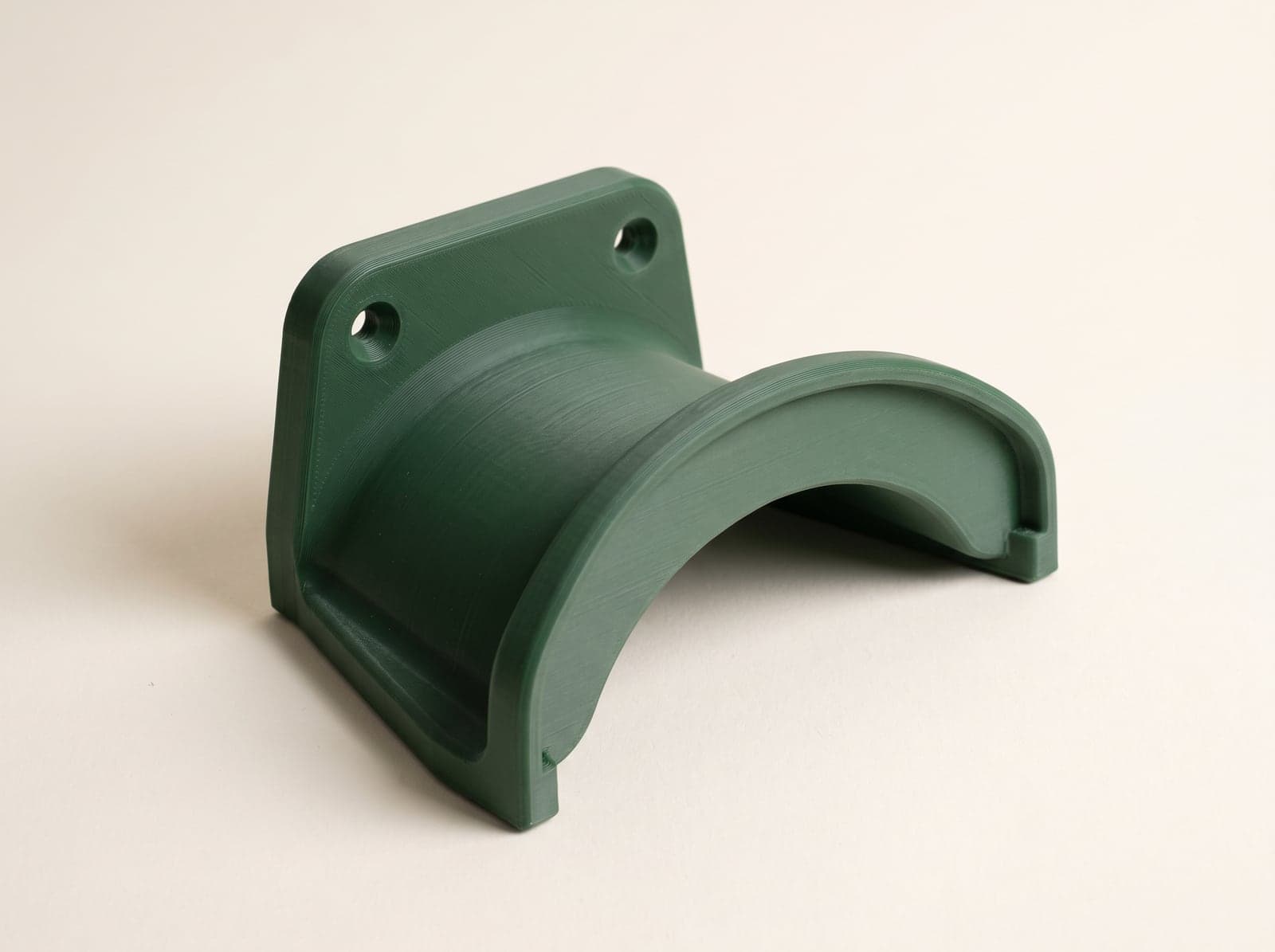
Best for: Parts that live outdoors all year round.
Stands up to sun and rain without fading or going brittle, and keeps its shape up to about 90 °C. Large flat parts can warp a little.
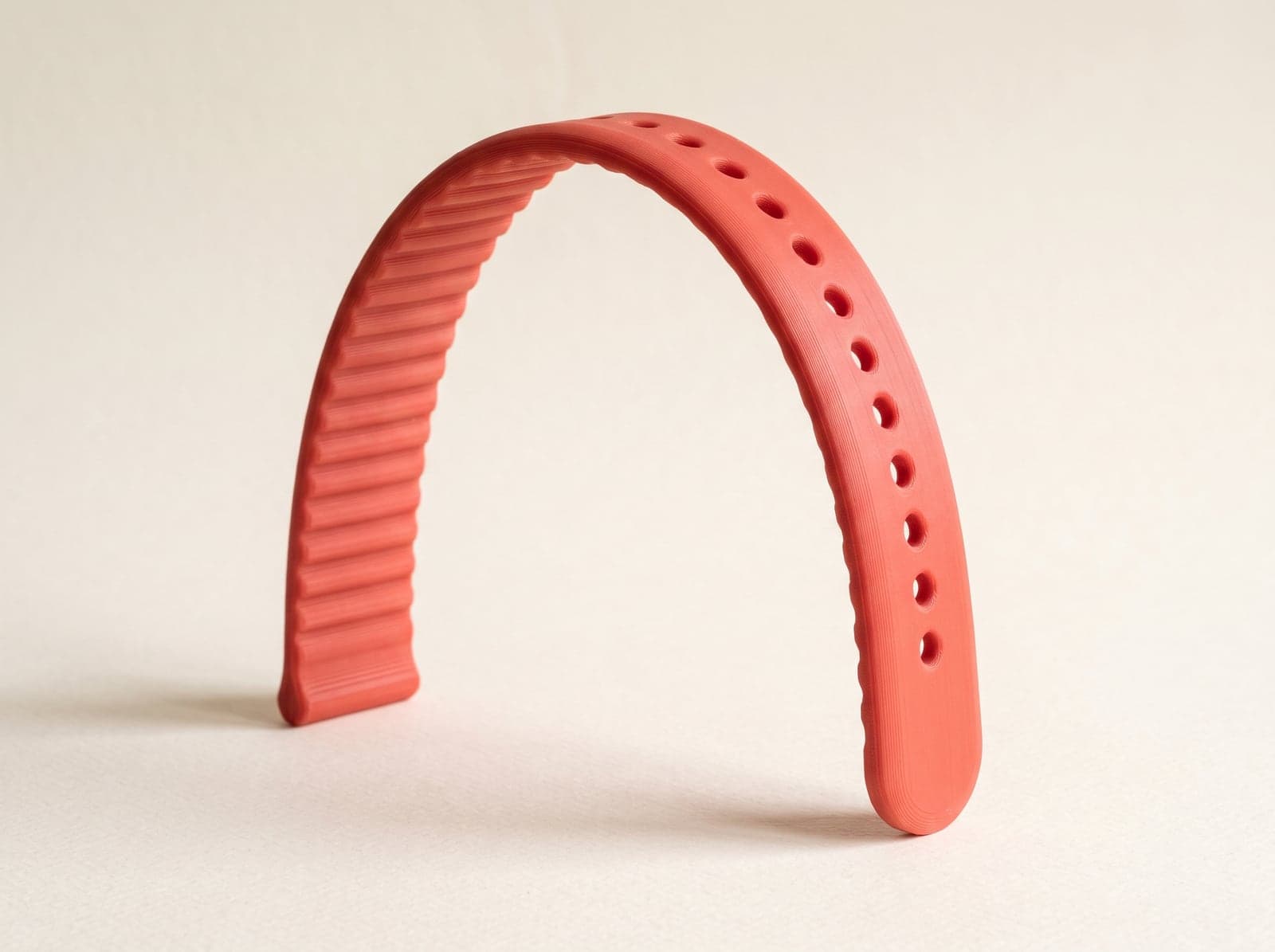
Best for: Bendy, rubber-like parts: seals, grips, feet and protective covers.
Flexes and springs back, and is very hard to tear. Best for parts that need to bend: it won't hold a rigid shape or a tight fit, and thin details come out soft.
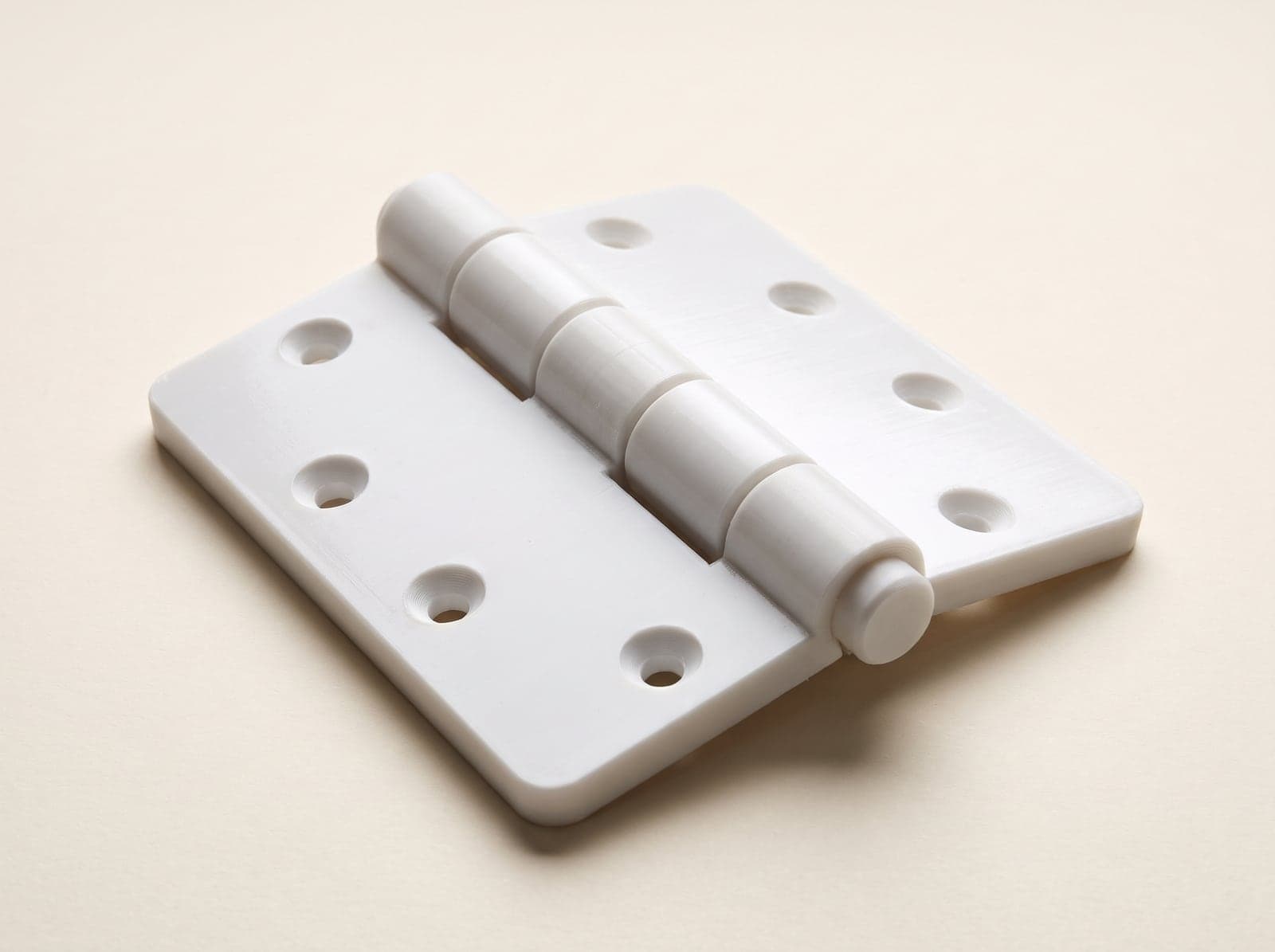
Best for: Hard-working parts that take knocks and heat.
Polycarbonate is very strong and keeps its shape up to about 110 °C. Large parts can warp a little, and it yellows after long spells in the sun.
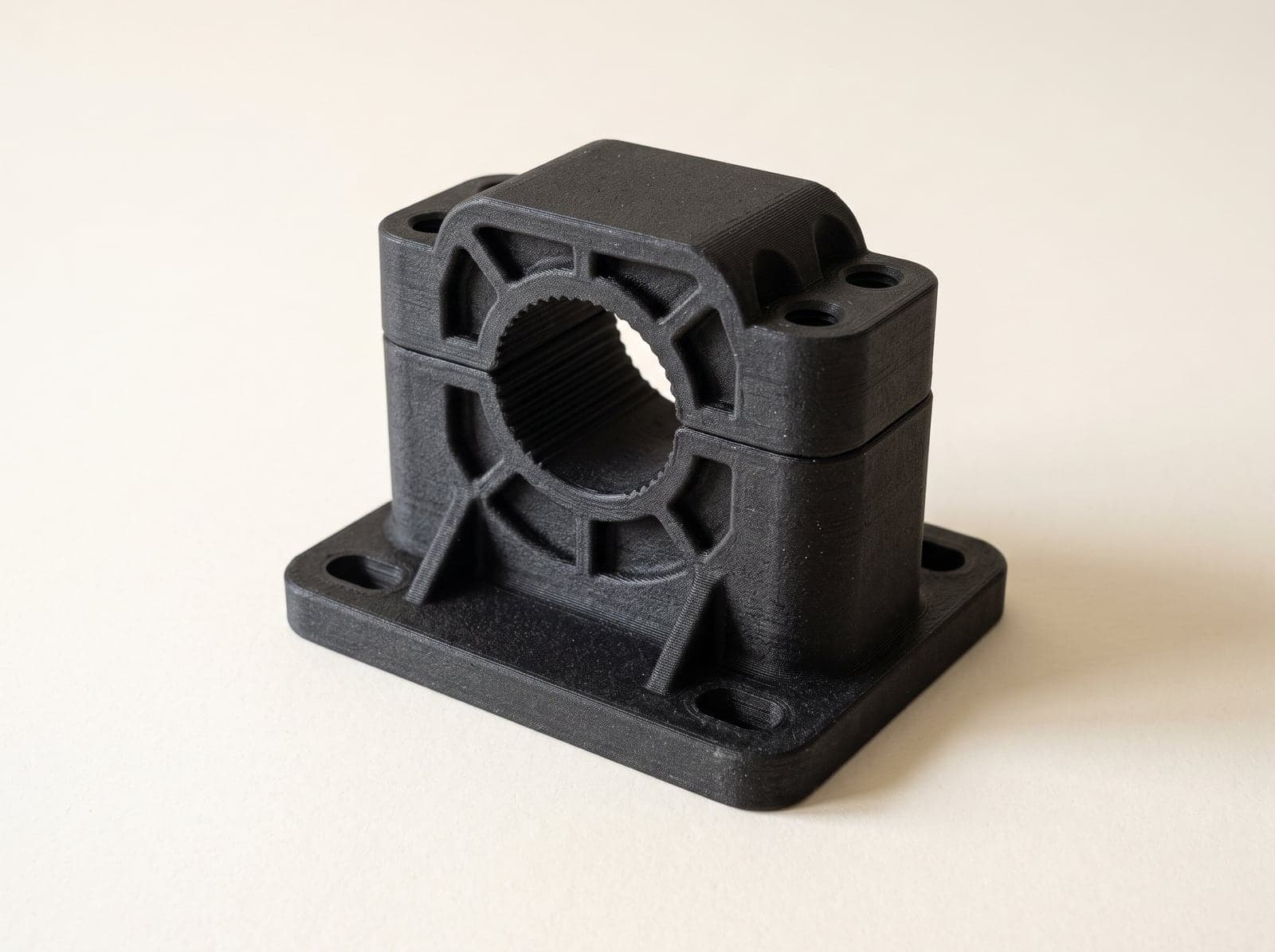
Best for: Stiff, load-bearing parts such as mounts, clamps and under-bonnet brackets.
Nylon filled with carbon fibre: our stiffest material, keeping its shape up to about 160 °C. It comes in black only, with a slightly rough, non-shiny surface, and it costs the most.
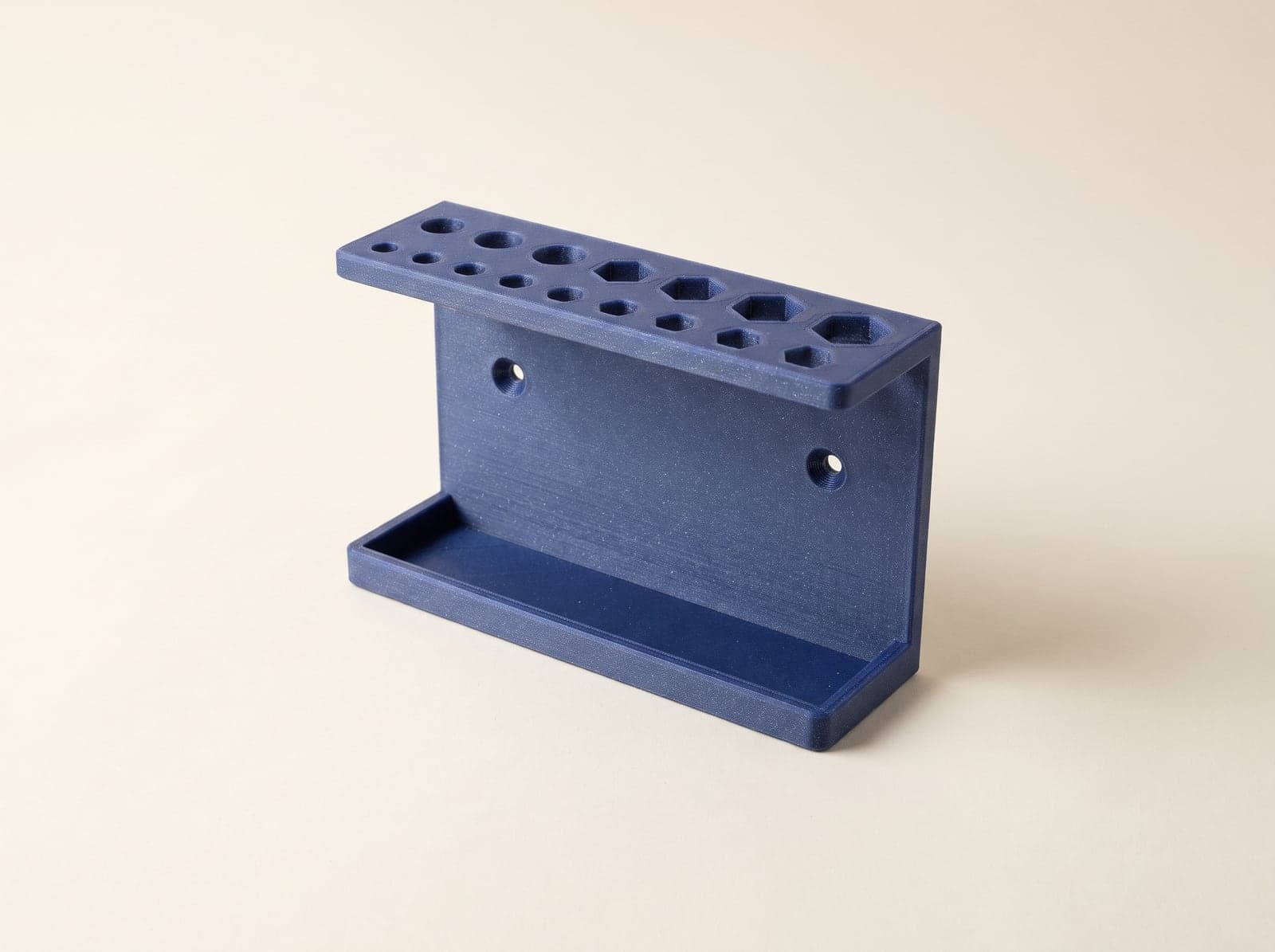
Best for: Stiff, smart-looking brackets, enclosures and tool holders.
PETG stiffened with carbon fibre, with a fine, non-shiny surface that hides the layer lines. It snaps rather than bends when overloaded, and it softens at about 70 °C.